During the Middle Ages, dimly lit taverns were the primary hub for social gatherings, storytelling, and high-stakes gambling games. Commoners and soldiers frequently gathered around wooden tables to roll dice, play cards, and risk their meager wages on fast-paced games of chance. Over the centuries, these rough-and-tumble pub pastimes underwent a massive cultural shift, shedding their rowdy reputation to become the wholesome family classics enjoyed in living rooms today.
From Rowdy Inns to the Parlor Floor
Medieval gambling games were often targeted by authorities due to their association with public disturbance and unlawful betting. As social structures evolved during the Renaissance and Victorian eras, households began seeking domestic entertainment that could bring family members together. Game makers adapted popular tavern mechanics, replacing wagering elements with scoreboards and thematic boards suitable for players of all ages.
This transition relied heavily on softening the stakes while preserving the core excitement of probability and strategy. Games that once decided the ownership of coin purses were redesigned to teach basic arithmetic and patience to children. The shift from public houses to private parlors marked a major milestone in modern ludic history.
The Legacy of Hazard and Modern Craps
One of the most famous medieval tavern games was Hazard, a complex dice game mentioned in Geoffrey Chaucer's Canterbury Tales. Played extensively in English taverns, Hazard required players to call out numbers and establish points based on specific combinations. The intricate rules provided endless tension for tavern patrons looking to double their wagers quickly.
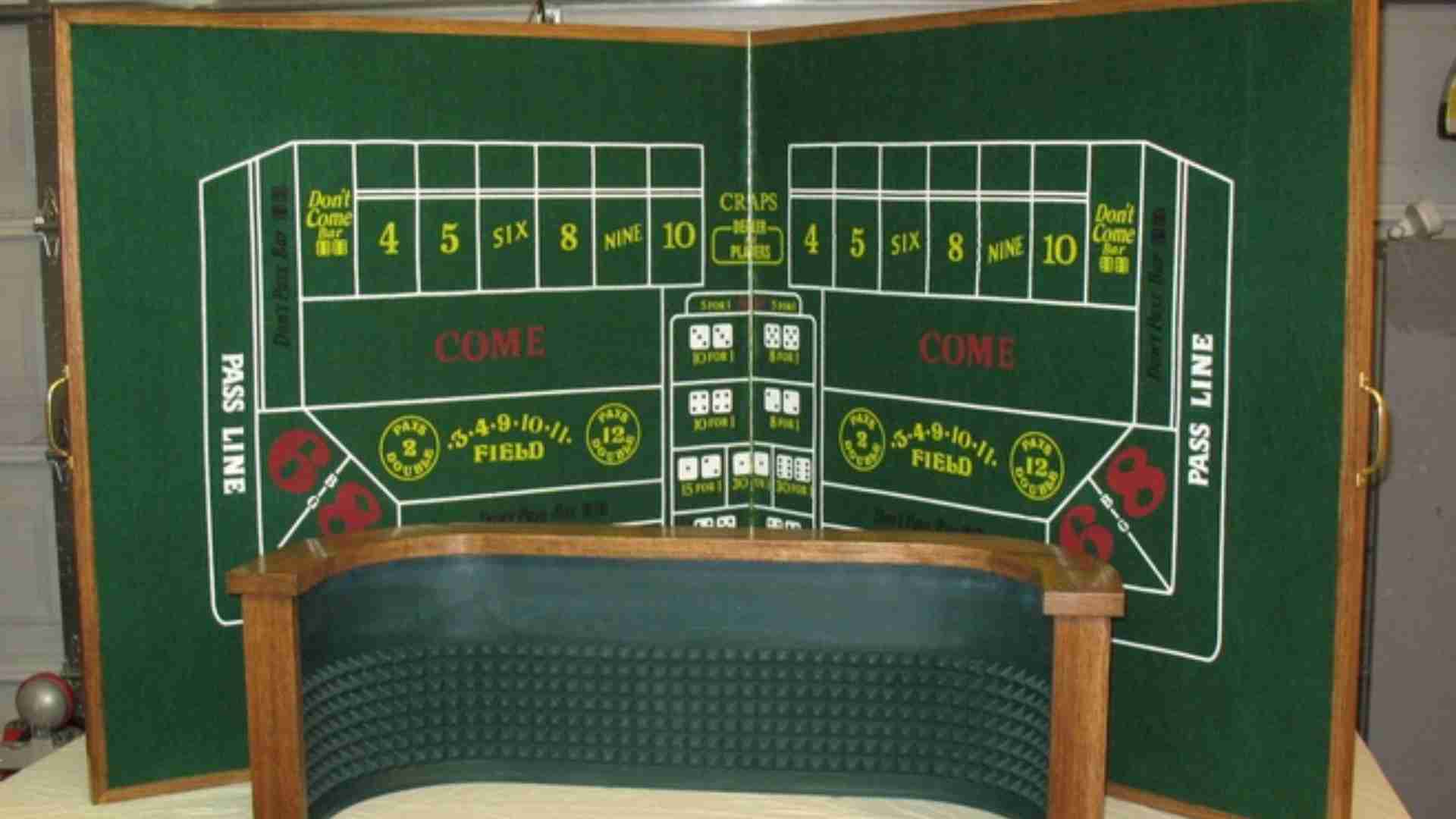
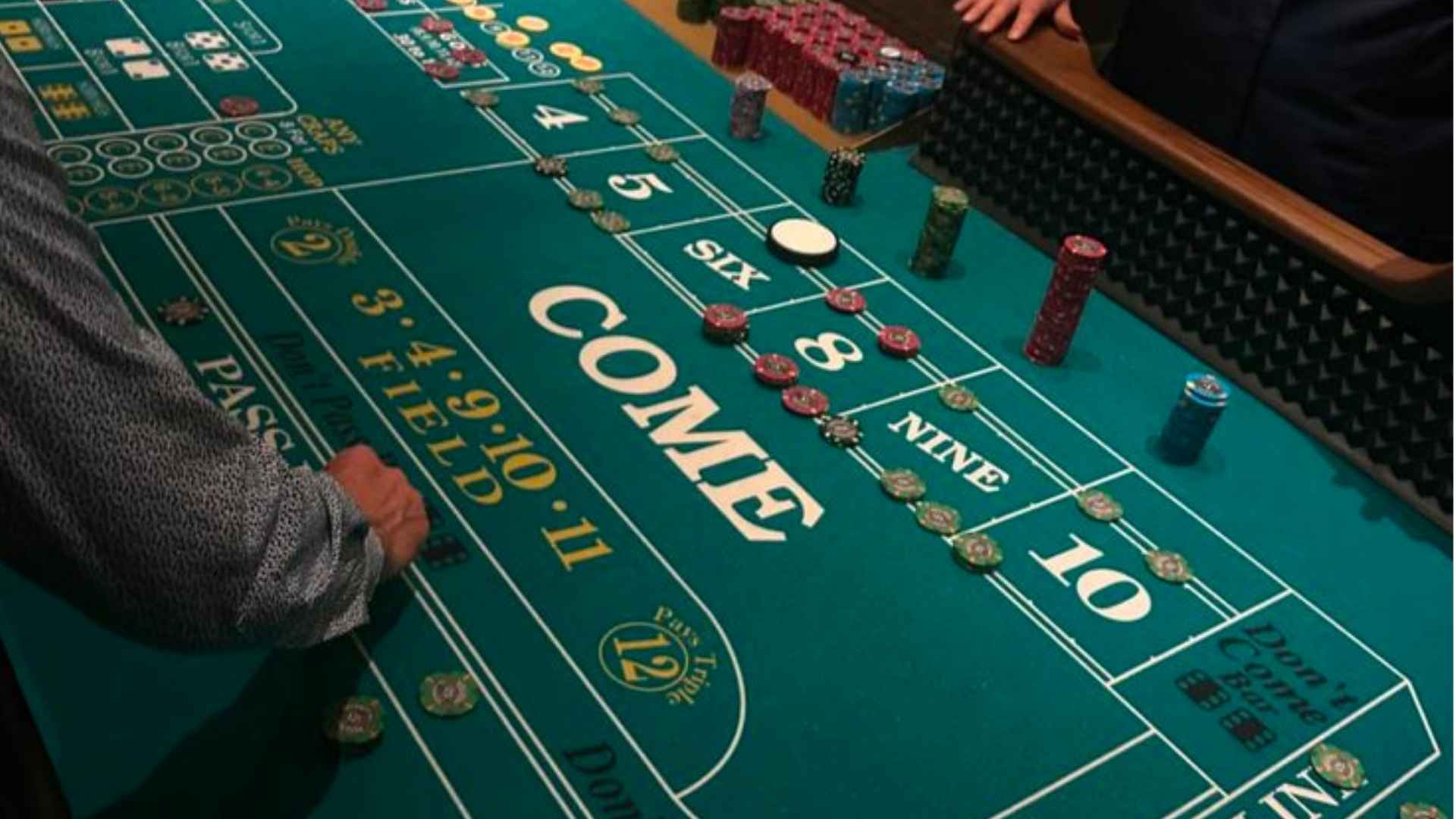
Over time, French colonists simplified Hazard into the game of Craps, which eventually inspired modern roll-and-move board games. Understanding probability mechanics from historical dice play helps modern enthusiasts appreciate how chance shapes contemporary gaming. Players interested in analyzing gaming trends and odds can explore resources like m88 thai for insights into strategic game design. The basic thrill of predicting a lucky roll remains unchanged across centuries.
Shut the Box and European Pub Traditions
Shut the Box is another classic tavern pastime that successfully navigated the transition to family game night. Originating among sailors and pub patrons in Normandy and the Channel Islands, this game used a wooden tray with numbered tiles. Players rolled dice to flip down matching combinations, aiming to clear the entire board before running out of valid moves.
Because the rules were simple and rounds played quickly, it was an ideal gambling game for noisy environments. Today, Shut the Box is widely praised by educators as an engaging tool for teaching young children addition and mental math. Its survival highlights how straightforward mechanics can outlast original cultural contexts.
Why Medieval Mechanics Endure Today
The timeless appeal of medieval tavern games lies in their accessible entry barrier and high tactical variety. Whether rolling carved bone dice or drawing early playing cards, historical gamers valued quick setups and unpredictable outcomes. Modern game designers continue to draw inspiration from these historic frameworks when creating new tabletop experiences.
By stripping away financial risk and emphasizing friendly competition, these games transitioned into beloved staples of family life. They remind us that human enthusiasm for social play, risk evaluation, and shared laughter has remained constant throughout history.