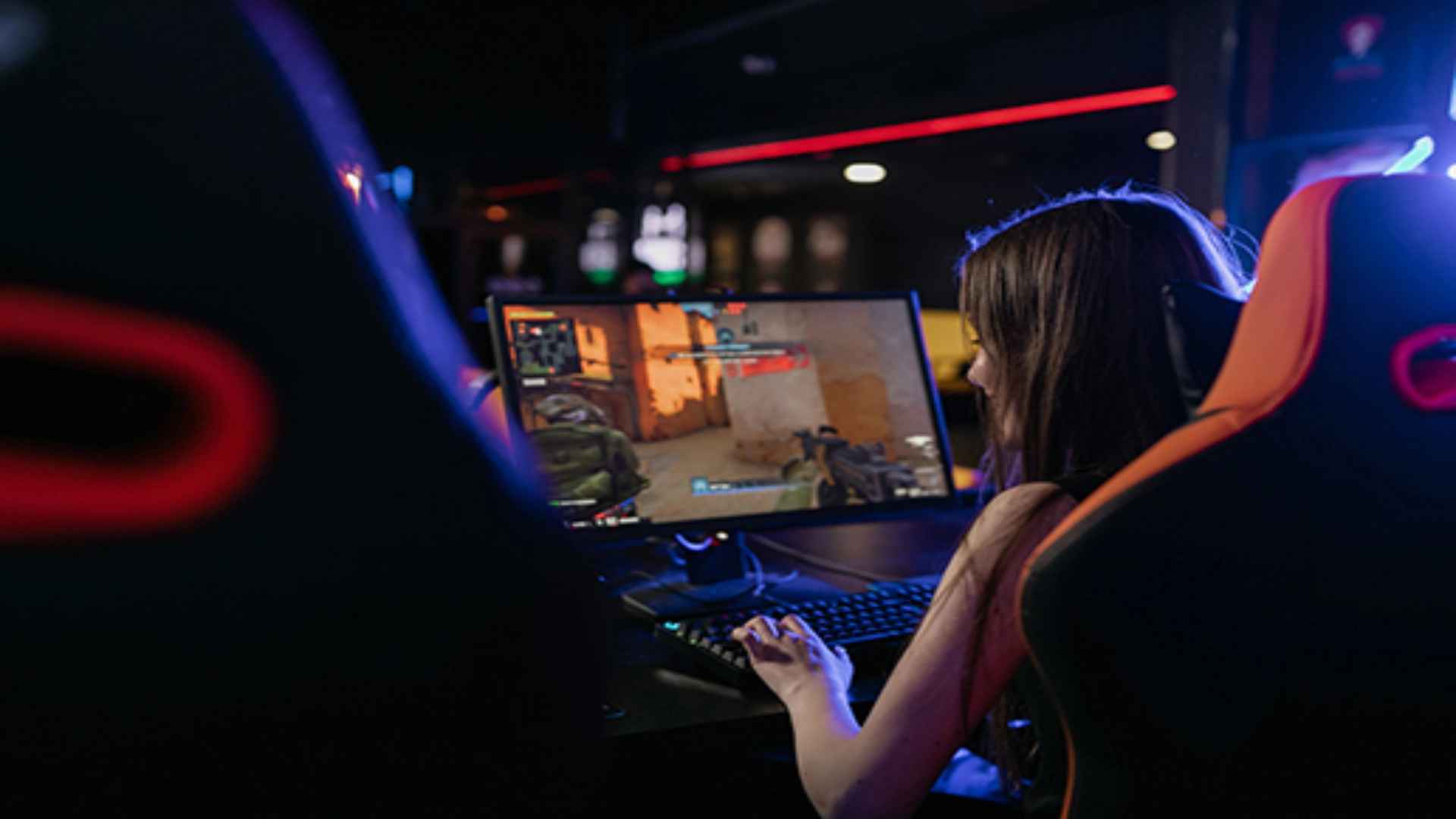
Stepping into the virtual battlegrounds of Free Fire offers more than just quick entertainment or casual matches. Every single session provides an opportunity to develop analytical thinking, mechanical mastery, and adaptability under intense pressure. By viewing each match as a building block, players can steadily convert simple in-game interactions into long-term personal growth.
Analyzing the Physics of Landing Choices
The initial drop phase serves as the foundation for the entire round's strategic path. Selecting a drop zone requires evaluating risk factors against the density of resources available in that sector. Experienced players use these brief moments to gauge surrounding enemy trajectories and adjust their looting paths accordingly.
Miscalculations during the drop phase offer critical lessons regarding positioning and map layout awareness. Recognizing why a specific landing area failed helps you formulate more reliable survival routines in subsequent matches. Over time, this repetitive trial creates an intuitive understanding of early-game survival metrics.
Cultivating Tactical Patience in Mid-Game Skirmishes
The transition between looting and active engagement tests a player's emotional control and situational awareness. Rushing blindly into audible gunfires often leads to unexpected elimination by hidden third-party squads. Instead, monitoring the minimap updates allows you to gauge active combat zones and plan safe rotations.
Learning when to disengage from an unfavorable battle is just as crucial as securing a clean elimination. Utilizing natural terrain cover like boulders or ridge lines ensures your team retains positional supremacy. This measured approach turns stressful mid-game stalemates into predictable tactical victories.
Enhancing Mechanical Skill and Dynamic Muscle Memory
Direct gunfights require absolute precision alongside rapid manipulation of various in-game survival tools. Implementing swift movement shifts, such as crouch-peeking or rhythmic strafing, severely disrupts the tracking accuracy of opposing snipers. Furthermore, mastering the instantaneous deployment of defensive structures provides vital protection in open terrain areas.
Every engagement refines your reflexes and shortens the response delay during sudden close-quarters ambushes. Even failed duels reveal specific flaws in weapon handling patterns or crosshair placement habits. Recognizing these minor mechanical errors ensures steady progression toward top-tier mechanical efficiency.
Building Resilience Through Post Match Reflection
True competitive growth happens when you deliberately evaluate performance metrics after the final circle closes. Attributing losses entirely to bad luck prevents you from identifying critical tactical oversights. Examining your rotation paths and cover choices highlights specific areas that require immediate adjustment.
Maintaining a constructive mindset allows you to embrace defeats as educational stepping stones rather than discouraging setbacks. This commitment to continuous learning builds a resilient mental attitude that extends far beyond the digital arena. Ultimately, consistent analytical practice transforms casual gaming into a highly rewarding journey of self-improvement.